Lehenga vs Pishwas vs Gharara: Which Pakistani Silhouette Suits Your Function?
Lehenga, pishwas (anarkali) or gharara and sharara? A side-by-side comparison of weight, comfort and look, and which Pakistani silhouette suits...
Lehenga, pishwas (anarkali) or gharara and sharara? A side-by-side comparison of weight, comfort and look, and which Pakistani silhouette suits...
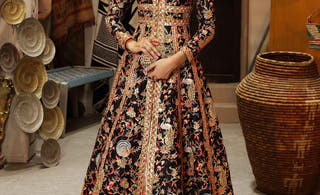
Most brides and their families settle the colour first. The shape usually comes second, and it is the shape that decides how you will feel by the end of the night: whether you can sit through a long nikkah, dance at the mehndi or carry the weight of a barat look for hours. This guide compares the three silhouettes Pakistani brides and wedding guests choose between most often, the lehenga, the pishwas and the gharara or sharara, and suggests which one suits each function.
| Compare | Lehenga choli | Pishwas (anarkali) | Gharara / sharara |
|---|---|---|---|
| What it is | Flared skirt, fitted choli and dupatta | Floor-length frock, fitted bodice, flare from the waist | Wide trousers under a shirt, with a dupatta |
| Feels | Grand; the fullest of the three | Graceful and covered | Light and easy to move in |
| Weight | Heaviest, especially for a barat | Medium | Sharara lightest; gharara heavier at the knee |
| Dancing | Good, if the flare is not too heavy | Very good: the frock swirls | Very good |
| Sitting for long | Needs some arranging | Comfortable | Most comfortable |
| Best for | Barat, mehndi, walima | Nikkah, mehndi, family functions | Nikkah, mehndi, mayoun, dholki |
Choose a lehenga when you want the most ceremony from a single outfit. The separate choli lets the embroidery sit close to the face for photographs, and the skirt carries the drama as you walk in. That is why the barat is still lehenga territory for most Pakistani brides, as with Zarafshan in red and antique gold.
A lehenga is not only for the barat. A lighter raw silk lehenga suits a mehndi or mayoun, like Mahira in olive green, and a softer gold such as Golden Patel works for a nikkah or walima. The trade-off is weight: the fuller the skirt and the denser the work, the more you will feel it by midnight. For skirt shapes and choli cuts, see our Pakistani Bridal Lehenga Guide.
A pishwas, called an anarkali outside Pakistan, gives you a long, unbroken line from shoulder to floor. It covers more than a lehenga without feeling heavy, which is why many brides choose it for the nikkah and many sisters choose it for the mehndi. It also forgives: the flare starts at the waist, so the fit only has to be close through the bodice.
There are two ways to wear one. A pishwas with a churidar or straight trouser underneath, like Dur-e-Shahwar, is the lighter option for a long day. An open-front pishwas worn over a lehenga, like Fakhar un Nisa, layers two skirts for real volume and can stand in for a bridal lehenga at a nikkah or walima. See every design in our pishwas collection.
Both are wide-legged trousers worn with a shirt, and both are the most practical of the three for long ceremonies. A sharara has no joint at the knee: the leg drops straight and wide from the hip, so there is nothing to catch when you climb a stage or sit cross-legged for the vows. In off-white with a short shirt, as in Farz-e-Nikkah, it is a natural choice for a daytime nikkah. With a front-open tissue shirt, as in Svera, it turns festive enough for a mehndi.
A gharara is the older, more ceremonial of the pair. It hugs the leg down to the knee; below a gota or embroidered joint, the leg opens into deep pleats that pool at the floor. That extra fabric makes it a little heavier, and it has deep roots in nikkah and rukhsati dressing. We make ghararas to order; message us with the colour or design you have in mind. Browse current designs in gharara and sharara.
For colours and looks across every event, read our guide to mehndi, nikkah, barat and walima dresses.
Whatever you choose, it will be cut to your measurements; our guide to taking your measurements at home shows how.
Yes. Many brides wear a pishwas for the nikkah, and an open-front pishwas over a lehenga is formal enough for a walima. For the barat, most brides still choose a lehenga.
A sharara. It weighs less, does not need arranging when you sit, and is easy to walk in, which is why it is so common at nikkahs.
Yes, they are one shape with two names. Families in Pakistan tend to say pishwas or peshwas, while shoppers searching from India, the UK or North America usually type anarkali.
Yes, and many brides do: a sharara for the mayoun, a pishwas for the nikkah and a lehenga for the barat. Changing the shape makes each event feel different in photographs.
Ask us before you order. Message us on WhatsApp with the design and the shape you want, and we will tell you what is possible for that piece.
Cart
Your cart is currently empty.
Start ShoppingSelect options