Pakistani Wedding Dresses for Every Function: Mehndi, Nikkah, Barat and Walima
What the bride, her family and guests wear at each Pakistani wedding function, from the dholki and mayun to the...
What the bride, her family and guests wear at each Pakistani wedding function, from the dholki and mayun to the...
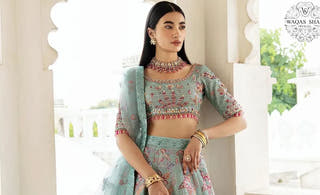
A Pakistani wedding is rarely one event. Between the dholki, mayun, mehndi, nikkah, barat and walima, a bride can need four to six outfits, and her sisters, mother and friends need almost as many. Each function has its own mood, its own colours and its own unwritten rules.
This guide walks through the functions in the order they usually happen, with what the bride wears, what family and guests wear, and how to plan and budget the whole wardrobe. For colour, fabric and embroidery trends this season, see our separate 2026 bridal trends guide.
| Function | Mood | The bride | Family and guests |
|---|---|---|---|
| Dholki / qawali night | Music at home, informal | Light lehenga or long shirt, jewel tones | Long shirts, pret, comfortable formals |
| Mayun | Ubtan and haldi, playful | Yellow, mustard or orange, simple embroidery | Yellow and green, light fabrics |
| Mehndi | Dancing, colour, the big party | Mirror work lehenga, gharara or sharara | Bright formals, coordinated sisters |
| Nikkah | Quiet, religious, emotional | White, ivory, champagne or soft pastel | Soft colours, modest cuts |
| Barat | Grand, formal, most photographed | Heaviest outfit: red, maroon, gold | Rich formals, but not bridal red |
| Walima | Hosted by the groom's family, elegant | Gown or lighter lehenga, pastels and silver | Formal and polished, softer tones |
The dholki is the most relaxed event: family sitting together, singing to the dhol. The bride usually wears something she can sit on the floor in. A qawali night is a little more formal, and darker, richer colours look right under evening lights. Lakshmi is a black raw silk lehenga choli with thread, tilla and sequin motifs, made with a qawali night in mind. See our qawali night dresses.
Guests can keep it simple. A well-cut long shirt or luxury pret outfit is exactly right.
Mayun (also spelled mayoun or maiyun) is when ubtan is applied to the bride. Yellow is the tradition, and anything you wear may get turmeric on it, so choose a fabric you will not worry about. Resham is a sunlit yellow raw silk lehenga choli with golden tilla and aari embroidery and hand-set mirrors on the lehenga. More in our mayun dresses and yellow mehndi dresses.
The mehndi is where most families go all out. The bride dances, so weight and movement matter more than at any other event. A flared lehenga in raw silk, or a gharara or sharara, gives you room to move. Mirror work is the signature of the evening.

Shah Bano pairs a dark green raw silk lehenga, worked in tilla, sequins and mirrors, with a soft peach organza dupatta. For an evening mehndi, Shahnaaz in midnight blue is a striking alternative to the usual yellow and green.

For sisters and cousins: many families now coordinate, with every sister in the same colour family but a different cut, so the bride still stands out. Browse mehndi dresses for the bride and her sisters, or read our full mehndi dress guide.
The nikkah is the religious ceremony, and the look is quieter: white, ivory, champagne or a soft pastel, with embroidery that is detailed rather than heavy. Two practical points are often forgotten. First, the dupatta will sit on your head for most of the ceremony, so choose one light enough to pin comfortably. Second, nikkah photos are usually taken close up, so neckline and sleeve work matter more than the lehenga's hem.

Shahtaaj is an ivory lehenga choli with mirror work, zardozi and crystals, lifted by a soft mint organza dupatta. For a simpler nikkah at home or in a mosque, Omairah pairs a hand-embellished organza shirt with a badla sharara and a net dupatta with mukesh work. See all nikkah dresses and our nikkah lehenga guide.
The barat is the main event and the one most people picture when they think of a Pakistani bride. This is where the heaviest handwork, the deepest colour and the biggest dupatta belong. Red, maroon and gold are still the classic choice.

Zil-e-Illahi is a gold and red net ensemble with Swarovski, naqshi, dabka and resham. Zarafshan blends rich red with antique gold in zardozi, dabka, crystals and pearls.
Plan for the weight. A barat lehenga is worn for many hours and often for a long rukhsati. Ask how heavy the finished outfit will be, do a full try-on with jewellery and dupatta before the day, and decide in advance how the dupatta will be pinned. If the groom is wearing a sherwani, share your colours early so the two outfits work together in photos.
Explore all Pakistani bridal dresses and our bridal lehenga choli collection.
The walima is hosted by the groom's family, usually a day or two after the barat. The bride's look becomes softer and more polished: pastels, silver, champagne or blush, often as a gown or a lighter lehenga.

Primrose is a tea pink lehenga choli with sequin panels, zardozi, crystals and pearls, finished with a mirror-work belt. For a gown, Laila is a mint green walima maxi hand-embellished in zardozi, dabka, naqshi and resham. More in our reception dresses and wedding gowns.
Many families also hold an engagement (mangni) months before the wedding, and some add a shendi, a smaller pre-wedding gathering. Both call for something special but clearly lighter than the barat. Pastels, champagne and jewel tones all work. See our engagement dresses and shendi dresses.
Most brides we dress plan four to six outfits. The usual approach is to spend most on the barat, then the walima, and keep the mayun and dholki outfits simpler. Nikkah and mehndi pieces sit in between. Family members often choose luxury pret for the smaller functions and luxury formals for the barat and walima. The current price of every piece is shown on its product page.
Ordering from abroad? Prices on the site show in your local currency as an estimate, and our country guides explain duty and sizes for the USA, the UK, Canada, Australia, the UAE and Europe.
Every piece is made in our Lahore atelier, most designs are made to your measurements at no extra cost, and we ship free worldwide, by TCS in Pakistan and DHL or SkyNet abroad. For help planning the full wardrobe, message us on WhatsApp at +92 310 0001250.
Usually four to six: mayun, mehndi, nikkah, barat and walima, plus a dholki or engagement outfit for some families. If the nikkah and barat are on the same day, one outfit can cover both.
White, ivory, champagne, blush or another soft pastel is the most common choice, with detailed but lighter embroidery than the barat outfit.
You can, but most brides keep red for the barat and choose a softer colour for the walima, so the two looks feel different in photos.
Bright colours such as yellow, green, orange and pink, in a comfortable cut you can dance in. Mirror work and gota are always right for a mehndi.
Bridal red and heavy bridal couture. Rich formals in other colours are the safe choice.
Order bridal outfits at least three months before the wedding, and formals about two months before. If your date is closer, message us before ordering and we will tell you honestly what is possible.
Most pieces are made to order, so we do not accept returns for change of mind. If an item arrives defective or incorrect, report it within 5 days of delivery with photos and we will put it right. Full details are in our Refund Policy.
Cart
Your cart is currently empty.
Start ShoppingSelect options